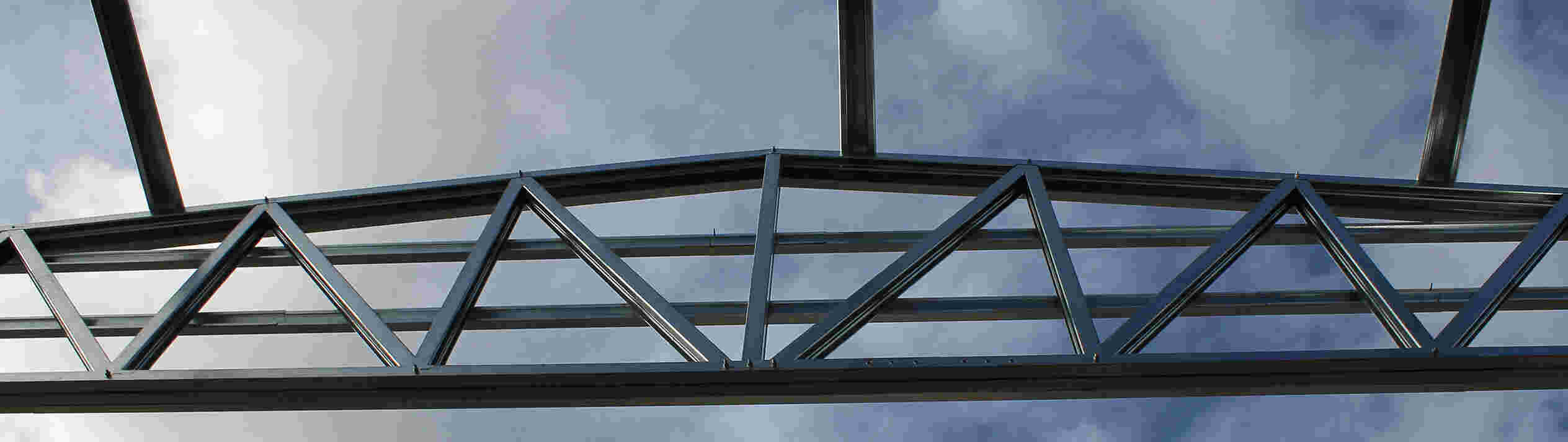
Steel framing vs timber: Which is the better choice for your next project?
Steel framing or timber? Compare strength, durability, fire performance, cost and speed to find the right framing solution for your next project.
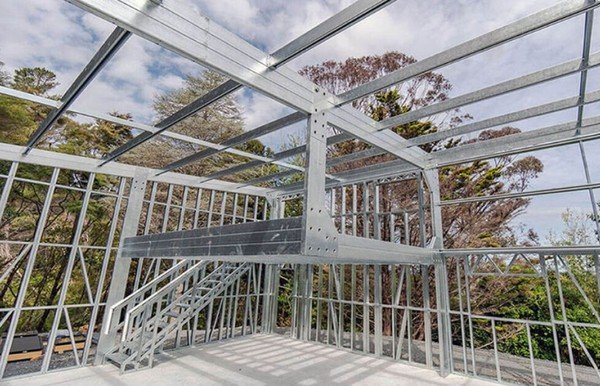
Choosing the right framing material is one of the most important decisions you will make on any building project. While timber has long been the traditional choice, light gauge steel framing is becoming an increasingly popular alternative for residential, commercial and industrial construction.
Each material has its strengths, and the right choice will depend on your priorities. Are you looking for faster construction? Greater durability? Better fire performance? Reduced maintenance? Or simply a framing solution that delivers greater certainty from design through to installation?
In this guide, we compare steel framing and timber across the factors that matter most, helping you make an informed decision for your next project.
What is light gauge steel framing?
Light gauge steel (LGS) framing (also known as cold formed steel framing) is a structural framing system manufactured from high strength galvanised steel. Components are precision engineered offsite and supplied ready for assembly, delivering consistent quality and accurate installation.
Unlike traditional framing methods, every component is manufactured to exact specifications. This improves build quality, reduces waste and helps projects stay on track.
Today, light gauge steel framing is used across a wide range of applications, including residential homes, multi-unit developments, commercial buildings, schools, healthcare projects and industrial buildings.
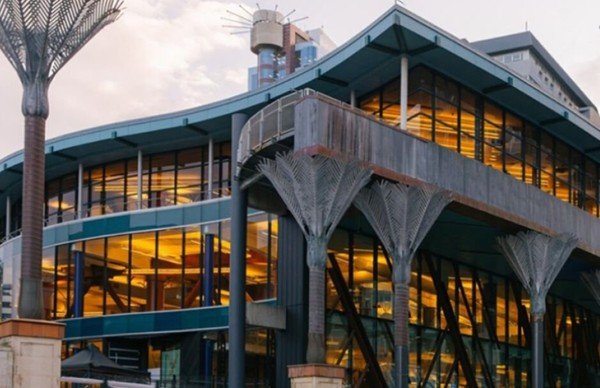
Rollforming Services has supplied LGS framing for a range of different types of project, including public libraries, retirement villages, the NZ Police Training Centre, city apartments and farm sheds.
LGS framing vs timber: how they compare
Both steel and timber are proven framing materials, but they perform differently depending on the priorities of your project. This is how they compare across the key considerations:
Strength and structural performance
Steel offers one of the highest strength-to-weight ratios of any construction material. It can span longer distances, maintain its shape under load and deliver consistent structural performance across every project.
Because steel framing components are manufactured to precise tolerances, every stud, track and truss is identical to the design. There are no knots, twists or natural imperfections to work around, giving builders greater confidence that what arrives onsite is exactly what was specified.
Timber, while strong and widely used, is a natural material. Variations in moisture content, grain and density can affect straightness and stability, sometimes requiring additional adjustment during construction.
The result: Steel framing delivers greater consistency, dimensional accuracy and predictable structural performance.
Durability
One of steel's greatest advantages is its long term durability.
Light gauge steel framing will not rot, warp, split or shrink over time. It is also immune to termites and other timber pests, making it particularly well suited to damp or humid environments.
Timber performs well when properly protected and maintained, but it can be affected by moisture, fungal decay and insect damage if conditions allow.
For projects where longevity, low maintenance and consistent performance are priorities, steel offers a significant advantage.
Fire performance
Fire resilience has become an increasingly important consideration for builders, developers and property owners.
Steel is a non-combustible material, meaning it does not contribute fuel to a fire. When used as part of a properly designed wall or floor system, light gauge steel framing can help achieve high levels of fire performance and compliance.
Timber, by comparison, is combustible and requires additional design considerations to achieve equivalent fire ratings.
This makes steel framing an attractive choice for projects where fire safety is a key priority, including multi-residential developments, hospitals, schools and in commercial construction.
Speed and construction efficiency
Construction projects are under constant pressure. Labour shortages, tighter schedules and rising costs mean builders are looking for ways to complete projects more efficiently without compromising quality.
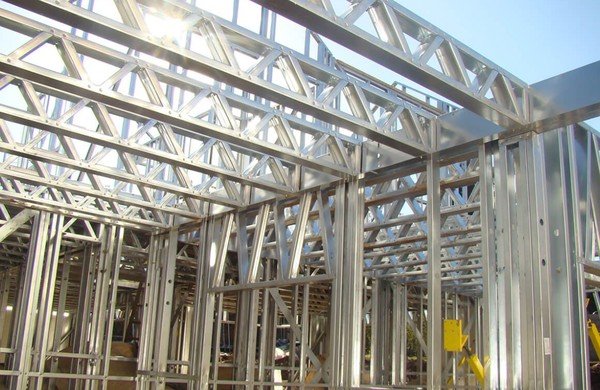
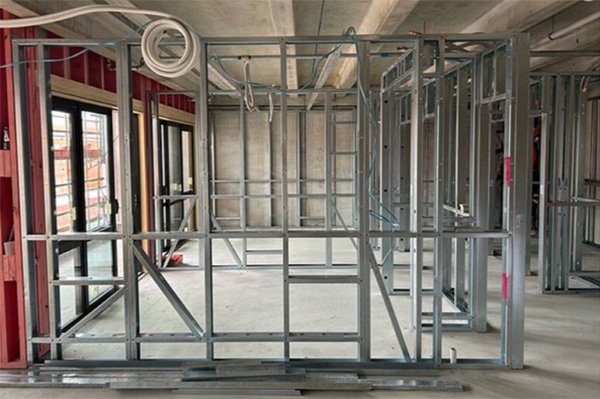
One of the biggest advantages of light gauge steel framing is that it is manufactured in a controlled factory environment before it ever reaches site. Rather than supplying individual lengths of framing, complete wall frames, floor cassettes and roof trusses can be prefabricated and delivered ready for installation.
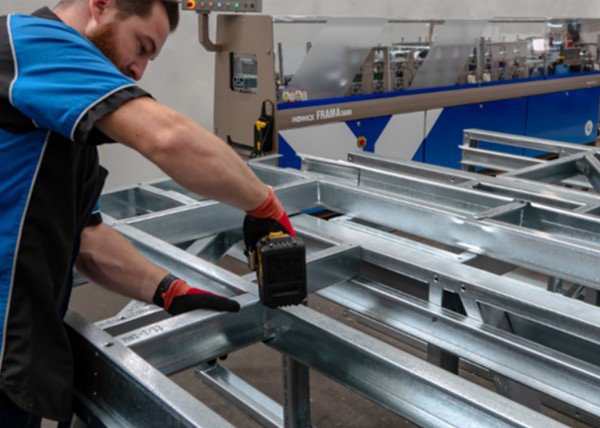
This significantly reduces the amount of framing work that needs to be carried out onsite. Installation becomes faster, more predictable and less dependent on weather conditions, helping projects reach the lock-up stage sooner and reducing costly delays.
Factory manufacturing also means every component is produced to exact specifications. There is no need to sort through warped or twisted material, make onsite adjustments or spend time correcting inconsistencies.
Components fit together accurately, improving coordination with other trades and giving builders greater confidence that the finished structure will match the original design.
The result: Prefabricated steel framing combines the efficiency of offsite manufacturing with rapid onsite installation, helping projects stay on track regardless of weather or labour challenges.
Sustainability
Sustainability is becoming an increasingly important consideration for developers, designers and building owners.
Steel is one of the world's most recycled materials and can be recycled repeatedly without losing its structural properties. Manufacturing processes also produce very little waste, with offcuts typically recycled back into new steel products.
Precision manufacturing further reduces material waste by producing only the components required for each project.
Timber is a renewable resource when sourced from responsibly managed forests and also offers environmental benefits. However, damaged or treated timber is often more difficult to recycle at the end of a building's life.
For projects seeking to reduce waste and support circular construction practices, light gauge steel framing provides a durable, recyclable solution.
Cost considerations
Material cost is only one part of the overall construction budget.
While the upfront cost of steel framing may sometimes be higher than timber, it is important to consider the total cost of the project. Faster installation, reduced waste, improved accuracy and lower maintenance requirements can all contribute to savings over the life of the build.
Steel framing can also help reduce the risk of costly delays caused by material movement, shrinkage or defects, providing greater certainty throughout construction.
Every project is different, and the most cost-effective framing solution will depend on factors such as building type, design complexity, labour availability and long term performance requirements.
Why more builders are choosing steel framing
Light gauge steel framing continues to gain momentum across residential, commercial and industrial construction because it delivers more than structural performance. It provides builders with greater accuracy, improved efficiency and increased confidence that projects will be delivered as designed.
From faster installation and reduced waste to long term durability and fire resilience, steel framing offers advantages that extend well beyond the construction phase.
As projects become more complex and expectations continue to rise, many builders are choosing steel because it provides greater certainty at every stage of the build.
Where steel framing is commonly used
Light gauge steel framing is no longer limited to niche construction projects. Today it is used across a wide range of residential, commercial and industrial developments where strength, durability and construction certainty are priorities.
Common applications include:
- Residential homes
- Townhouses and multi-unit developments
- Commercial buildings
- Healthcare facilities
- Education buildings
- Industrial buildings
- Modular and offsite construction
Its strength, durability and precision make it particularly well suited to projects where quality, speed and long term performance are priorities.
Is steel framing right for your project?
There is no 'one size fits all' answer. Both timber and steel have an important place in modern construction, and the right choice depends on your project's requirements, budget and performance objectives.
However, if your priorities include faster construction, improved accuracy, long term durability, fire resilience and greater certainty throughout the build, light gauge steel framing offers significant advantages.
Across New Zealand, more builders are discovering that the benefits of steel framing extend well beyond the material itself. Precision manufacturing, prefabrication and faster onsite installation are helping deliver projects with greater certainty, fewer delays and consistently high quality outcomes.
From residential homes to commercial developments, RFS has supplied light gauge steel framing for projects of every size. Explore our Projects & Stories to see how builders across New Zealand are putting steel framing to work.
Frequently asked questions
Is steel framing more expensive than timber?
While the upfront material cost of steel framing can sometimes be higher than timber, it is important to consider the total cost of the project. Faster installation, reduced waste, improved accuracy and lower maintenance requirements can all contribute to savings over the life of the building.
Is steel framing suitable for residential homes?
Yes. Light gauge steel framing is widely used for residential homes, townhouses and multi-unit developments, as well as commercial, industrial and institutional buildings. Its strength, durability and precision make it suitable for a wide range of construction projects.
Is steel framing termite proof?
Yes. Unlike timber, steel framing cannot be damaged by termites or other wood-boring insects, making it an excellent choice for long term durability.
Does steel framing rust?
Light gauge steel framing is manufactured from galvanised steel, which provides excellent corrosion resistance. When specified, manufactured and installed correctly, it delivers long lasting structural performance in a wide range of environments.
Is steel framing fire resistant?
Steel is a non-combustible material, meaning it does not contribute fuel to a fire. When incorporated into a properly designed wall or floor system, steel framing can help achieve excellent fire performance and meet the required building code.
Is steel framing suitable for New Zealand earthquakes?
Yes. Because steel is strong, lightweight and dimensionally stable, light gauge steel framing performs exceptionally well in seismic applications. It is commonly used in earthquake-prone regions around the world, including New Zealand.
Can steel framing be used in coastal environments?
Yes. Steel framing can be used in coastal environments when the appropriate materials, protective coatings and design considerations are specified. The best solution will depend on your project's location and exposure conditions.
Can my builder work with steel framing?
Absolutely. Steel framing is designed to simplify construction through precision manufacturing and accurate onsite installation. Because every component is manufactured to exact specifications, installation is more like assembling a large kitset than traditional framing. Components fit together as intended, reducing measuring, cutting and rework onsite. This means builders can assemble framing more efficiently while relying less on specialist framing skills than traditional methods.
Can Rollforming Services supply framing for my project?
Yes. Rollforming Services manufactures precision-engineered light gauge steel framing for residential, commercial and industrial projects throughout New Zealand. If you have plans ready or are still exploring your options, our experienced team can help determine whether steel framing is the right solution for your project.
Why choose Rollforming Services?
At Rollforming Services (RFS), we manufacture precision-engineered light gauge steel framing for projects throughout New Zealand. Every framing system is produced to exact specifications using advanced manufacturing technology, helping builders achieve faster installation, reduced waste and greater confidence onsite.
Whether you are building a single home, a multi-unit development or a commercial project, our experienced team can help you determine whether steel framing is the right solution for your next build.
TALK TO OUR TEAM ABOUT YOUR NEXT PROJECT
Get in touch
We encourage you to furnish us with as much detail as possible.
That way we can assist you with the best solutions based on your requirements quickly.